The U.S. Cyber Trust Mark is a new government label for smart devices that shows a product meets core security checks, helping businesses buy with more confidence.
Why This New Label Matters
Smart gadgets are everywhere now—at home and at work. That convenience comes with risk. Devices like thermostats, cameras, or baby monitors can open a door for hackers if they’re not built and managed well. There were over 112 million IoT cyber attacks worldwide in 2022, and attacks keep climbing. With AI-driven threats in the mix, an 82% increase was expected in 2024.
Some product types have been hit harder than others. In 2023, TVs, smart plugs, and digital video recorders showed the most vulnerabilities and attacks, according to Bitdefender’s report. That’s why a clear, easy-to-spot security label can help—especially for busy offices around Panama City and Bay County.
What Is the U.S. Cyber Trust Mark?
The Cyber Trust Mark is a new U.S. program that flags smart devices that meet defined security practices. When you’re shopping, you may see a shield icon with “U.S. Cyber Trust Mark” on the box. It’s meant to make choosing safer tech simpler—no deep technical knowledge required.
What Gets Checked Before a Device Earns the Label
Manufacturers apply for the label and submit products for testing. Evaluations focus on basics that matter most:
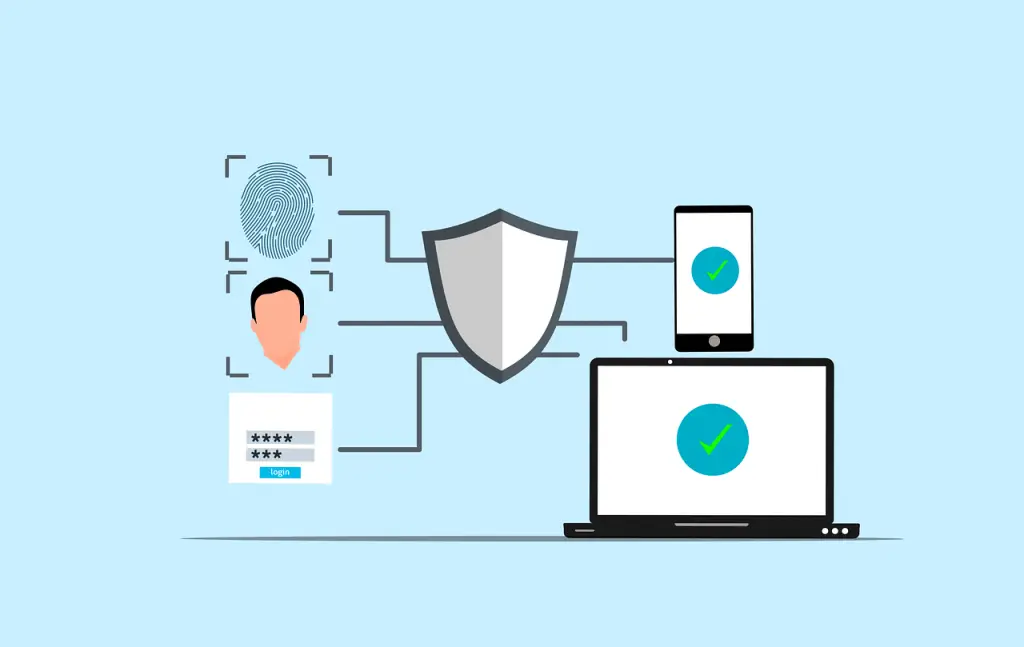
- Password strength — Devices should not rely on weak or default passwords that attackers can guess.
- Data protection — The product should safeguard your information using appropriate methods to keep data private and secure.
- Software updates — Regular updates are essential to fix issues and block new threats.
If a device passes, the company can place the mark on its packaging. That can boost buyer trust and help safe products stand out.
Standards Will Evolve
Threats change, so the requirements behind the mark will change too. As standards update, devices may need to be retested to confirm they still meet the bar. This ongoing process helps keep the label meaningful.
When You’ll Start Seeing It
The label is new, and retailers are encouraged to start using it now—so you may spot it on shelves soon. Expect it to appear on common smart gear such as:
- Smart TVs
- Smart speakers
- Security cameras
- Smart thermostats
- Smart locks
Already Own Smart Gear? Do These Basics
If you’ve already deployed devices, you can still reduce risk today:
- Change any default passwords
- Keep firmware and apps updated
- Turn off features you don’t use
- Use a strong Wi‑Fi password
Frequently Asked Questions
Does a product without the label mean it’s unsafe?
Not necessarily. Some devices may be secure but haven’t applied or completed testing. If there’s no label, review the product’s security features, ask the seller, or research online.
How do manufacturers get approved for the U.S. Cyber Trust Mark?
They apply, submit devices for evaluation, and if the product meets the requirements, they can display the mark on the packaging.
How does the label help buyers?
It makes shopping easier. The mark signals a device has passed important security checks, so you don’t need to dig through technical details.
Which device types have been hit hardest recently?
In 2023, TVs, smart plugs, and DVRs were the top targets for vulnerabilities and attacks, per Bitdefender’s analysis.
When will the mark show up on shelves?
The program is rolling out now, and stores are encouraged to use it immediately—so you may see it on boxes soon.
Will this label be used outside the U.S.?
For now, it applies only in the United States. Other countries may create similar programs in the future.
What’s Next for Smart Device Safety
The label is an important step, and more progress is likely, including:
- Stronger standards over time
- More product categories covered
- Improved testing methods
The goal is safer devices and better privacy across our homes and workplaces.
Have questions about choosing or securing smart devices for your office? We’re happy to help—get in touch.