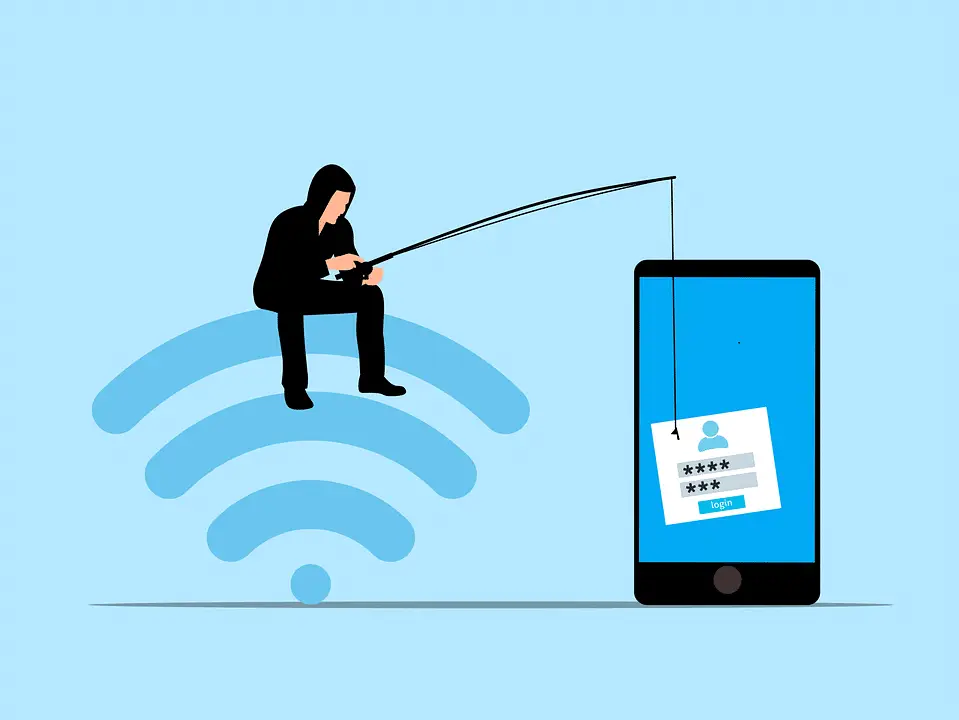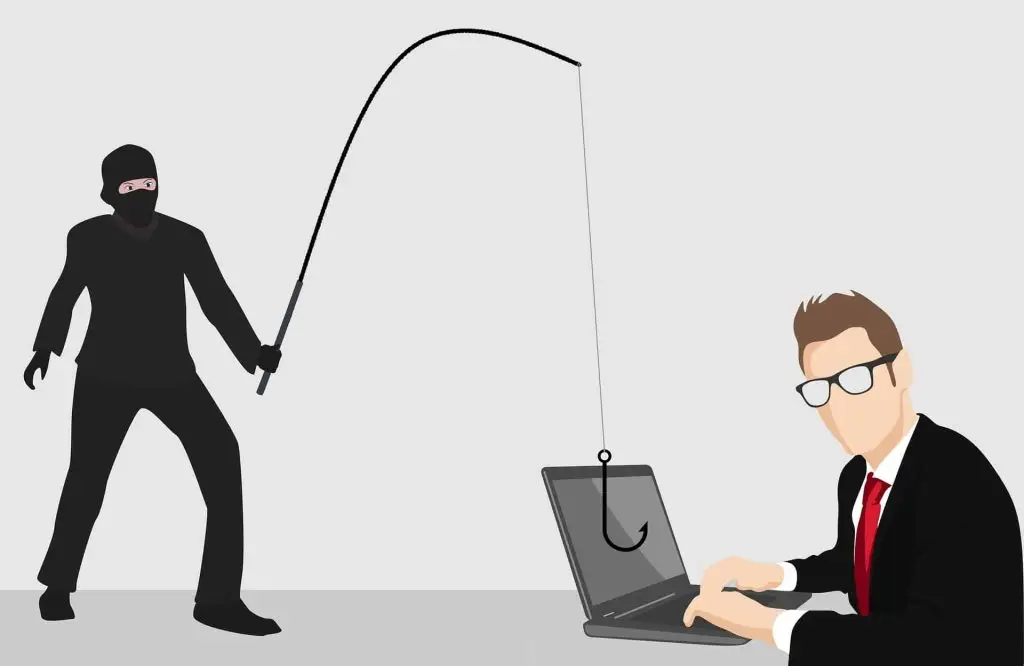
Reply chain phishing hides inside ongoing email conversations, so it looks trustworthy. Here’s what it is, why it’s growing, and how to stop it with training, a password manager, and two-step login for email.
Phishing shows up in the news for a reason. It’s still the top way criminals kick off attacks. A single fake message can steal employee logins, drop ransomware, or install spyware. And the volume keeps rising. According to one report, 80% of surveyed security pros say phishing campaigns jumped after the pandemic. Remote work is part of it. Many people now sign in from home, where protections aren’t the same as at the office.
What Is Reply Chain Phishing?
Think about a normal email back-and-forth. Someone sends a note, others reply, and the thread grows. You can read the whole discussion in one place. Most of us expect a phishing email to arrive as a brand-new message. We don’t expect it to be tucked into a conversation we’re already having.
That’s the trick with reply chain phishing. The attacker slips a malicious reply into a real thread, so it looks like part of the ongoing conversation.
How Attackers Slip Into the Thread
To post in the thread, the criminal first has to get into someone’s mailbox on that email chain. Once they compromise an account, they can send a message from a trusted address and read the prior replies for context. That lets them write something that sounds like it belongs.
Example: everyone’s trading ideas for a new product called Superbug. The attacker replies, “I put together some thoughts on Superbug—here’s the link.” That link leads to a malicious site. It may install malware or lead to a fake login page to capture passwords.
These replies feel legit because:
- They come from a coworker’s real email address already in the conversation.
- They reference details from the thread, so the wording fits.
- They use names and other personal touches lifted from the earlier replies.
Business Email Compromise Is Rising
Breaking into business email—often called business email compromise (BEC)—is becoming more common. Weak or reused passwords make it easier. So do large data breaches that expose usernames and passwords.
In 2021, 77% of organizations saw BEC attacks, up from 65% the year before. Credential theft has become the main cause of data breaches globally. So there’s a real chance a company email account gets hit at some point.
Reply chain phishing is one way criminals turn a mailbox break-in into cash. They use it to push ransomware or other malware, or to harvest sensitive data they can sell on the Dark Web.
Ways to Reduce the Risk of Reply Chain Phishing
- Use a business password manager: It helps your team create and store strong, unique passwords for every app and site. No more reusing easy-to-guess logins.
- Turn on two-step login for email (multi-factor authentication): When someone signs in from a new location or device, a code is required. That extra check can block most account takeovers.
- Coach your team to slow down: A quick gut check catches a lot. If a thread reply suddenly includes a link or attachment that feels out of place, verify by another channel before clicking.
Are Your Email Protections Strong Enough?
If you’re unsure your company email is locked down—especially with more people working remotely—we can help. We support offices around Panama City and across Bay County with practical, layered email security.
Have questions or want a second look at your setup? Let’s talk—get in touch.