
The metaverse for business is likely to reshape how companies market, serve customers, train people, and run meetings. It’s not fully here yet, but momentum is real—so now is the time to watch, test, and plan.
“Metaverse” is getting a lot of attention, but what does it mean for a small or mid-sized company in Bay County? Think of it as the internet evolving into 3D spaces where people can meet, work, learn, and shop. Apple’s CEO Tim Cook has said, “Life without AR will soon be unthinkable,” underscoring how important augmented reality may become for everyday work and life (source).
This isn’t a new dream. Companies have explored connected 3D worlds for years. A good early glimpse was Adobe Atmosphere, which linked virtual rooms where people could move around and chat. It didn’t last, but the idea has been around for a while.
What’s different now? The tech has caught up: faster internet, stronger computers and devices, and new ways to deliver 3D experiences that work on typical PCs. We’re not all working there yet, but progress is steady.
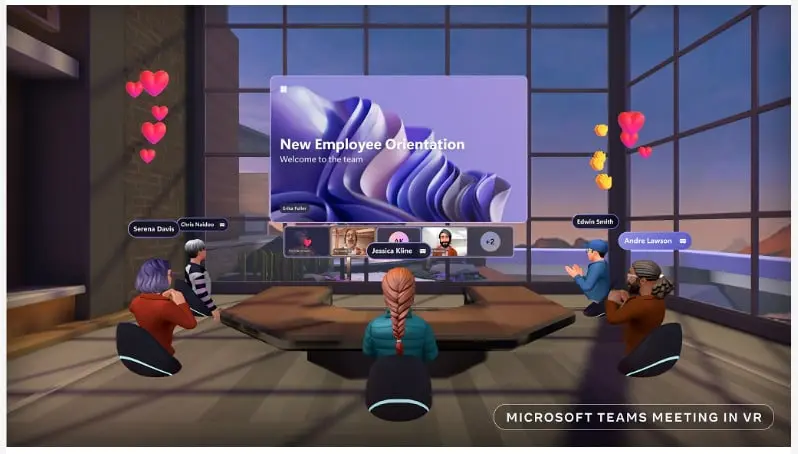
One example: Microsoft and Meta announced a partnership to bring Microsoft 365 apps into virtual spaces, opening the door to new forms of collaboration. Microsoft also notes that 50% of Gen Z and millennials expect to do some of their work in the metaverse within the next two years (source).
Metaverse for Business: Where It May Touch Your Work
New Places to Promote Your Brand
When the web first appeared, many businesses didn’t rush to build a site. Today, a website is essential. If 3D internet spaces gain traction, your marketing may also need a presence there—think virtual storefronts, showrooms, or sponsorships inside popular worlds. It’s smart to start watching where your buyers spend time and which platforms fit your brand.
Serving Customers in Virtual Spaces
Social platforms changed how customers ask for help. Seventy-nine percent of consumers expect a response to a social media message within a day. If people begin hanging out in 3D spaces, they’ll likely want service and sales conversations there too. Consider adding a simple question about metaverse use to your year-end customer survey so you can track interest over time.
Safer, Hands-On Employee Training
Immersive training can simulate real tasks in a low-risk way—helpful for roles from clinical work to warehouse operations. Practicing virtually lets people learn by doing and make mistakes without danger. List the skills your team needs most, then note which ones could benefit from a realistic simulation. Even if the right tools aren’t ready today, they may be within a year or two.
A Richer Way to Meet and Build
Video meetings are normal now. The next step could be gathering in shared 3D rooms, using avatars and interactive content. Because Microsoft is working to extend familiar apps into these spaces, the learning curve may be gentler than it sounds (source). Another practical use: walking through a 3D model of a new office or shop before it’s built, then adjusting the plan together.
Frequently asked questions
Do small businesses need to act right now?
You don’t need a full-scale buildout today. Start by learning the landscape, asking customers about their interest, and running small, low-risk experiments that make sense for your work.
Will the metaverse replace our website?
Not anytime soon. Your website will remain a core hub. Think of 3D spaces as additional channels that might complement what you already do online.
Do we need special headsets?
Some experiences work on regular computers or phones. Others feel best with VR headsets. If you explore pilots, plan for both: accessible options for many users and deeper immersion for specific use cases.
What should we do this year?
Map out where the metaverse could help your business—marketing, support, training, or collaboration. Ask customers about their interest, identify one or two pilot ideas, and keep an eye on tools that connect to systems you already use.
Plan Your Next Digital Step
What’s your 12–36 month roadmap for new tech at the office—here in Panama City or across your locations? If you’re unsure where to start, we can help you sort options and find practical pilots.
Have questions or want to explore ideas for your team? Let’s talk—get in touch.
Sources and further reading
- Apple’s Tim Cook on AR’s future: indianexpress.com
- Microsoft and Meta partnership and adoption expectations: blogs.microsoft.com
- Early 3D web example, Adobe Atmosphere: wikipedia.org
- Social media response expectations: blog.hubspot.com
- Featured image credit: pixabay.com