Phishing attack trends to watch this year: more text-message scams, more account takeovers, targeted emails aimed at small businesses, specialists selling initial access, and a spike in brand impersonation—so build layered defenses and train your team.
Phishing is still the main way cybercriminals get into companies. In 2020, 75% of organizations worldwide dealt with at least one phishing incident. One click can lead to ransomware and downtime, or hand over a user’s mailbox so an attacker can email your customers from a trusted address.
These scams work because they target people, not just systems. Some are very convincing and are designed to slip past busy staff. And attackers keep changing tactics. For offices around Panama City, it’s smart to refresh training and tools regularly.
- Email filtering
- DNS filtering
- Next‑gen antivirus/anti‑malware
- Ongoing employee cybersecurity awareness training
Phishing Attack Trends to Watch in 2022
Texts Are Becoming a Go-To for Phishing
People tend to trust text messages more than unexpected emails. Criminals know this. With mobile numbers easy to find and more companies sending delivery and promo texts, scammers are pushing “smishing” (SMS phishing) hard. They often pose as shipment alerts and hide dangerous links behind short URLs. Mobile phishing threats surged by 161% in 2021, which shows how quickly this channel is growing.
Business Email Compromise Is Climbing
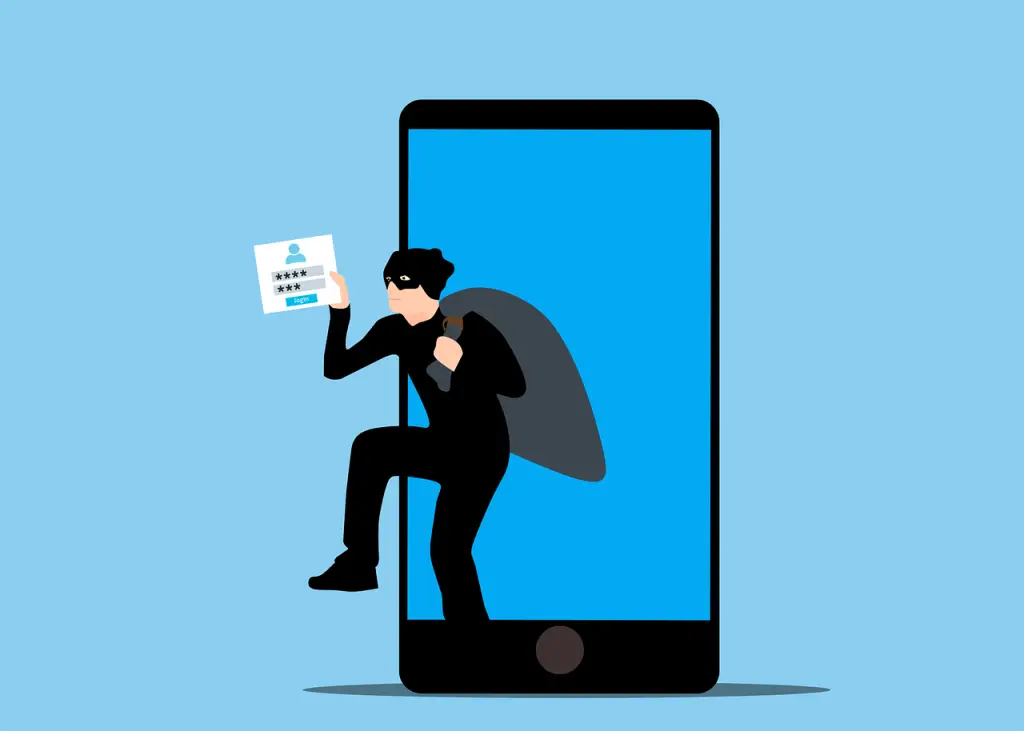
Ransomware has brought in big money, and now business email compromise (BEC) is doing the same. Once crooks get into a business mailbox, they send convincing messages that look like they’re from you—asking staff to buy gift cards or approve a wire. Because the email comes from a real account, employees, customers, and vendors are more likely to believe it.
Small Businesses Face More Targeted “Spear Phishing”
No company is too small to be targeted. Smaller firms often have fewer protections, which makes them attractive. In fact, 43% of all breaches hit small and mid-sized businesses, and 40% of small firms that are attacked suffer at least eight hours of downtime.
Spear phishing is tailored to a person or role, so it feels real. It used to be more common at big enterprises because it took time to prepare. Now large criminal groups and state-backed operators have streamlined the process, so small businesses are seeing more customized lures that are harder to spot.
Specialists Selling “First Foot in the Door”
Attack groups treat cybercrime like a business. One way they increase success is by hiring Initial Access Brokers—hackers who focus only on breaking in the first time, whether through a phish, stolen login, or another gap. This division of labor makes phishing more effective and tougher for users to detect.
Brand Imitation Is More Common
As people get better at ignoring strangers in their inbox, crooks copy well-known brands instead. Amazon is a frequent target, but smaller companies get spoofed too. If a web host’s client list is exposed, for example, attackers may impersonate that host and push urgent “fix your account” links. Bottom line: don’t trust a message only because the name looks familiar.
Are You Protected Against Today’s Phishing?
Use multiple layers to cut risk from people-focused attacks. An assessment of your current setup can highlight gaps and show where email filtering, DNS filtering, next‑gen antivirus, and regular staff training will make the biggest difference.
If you’d like help tightening protections or training your team, get in touch with Flux Labs.